





About the Nesbitt Group
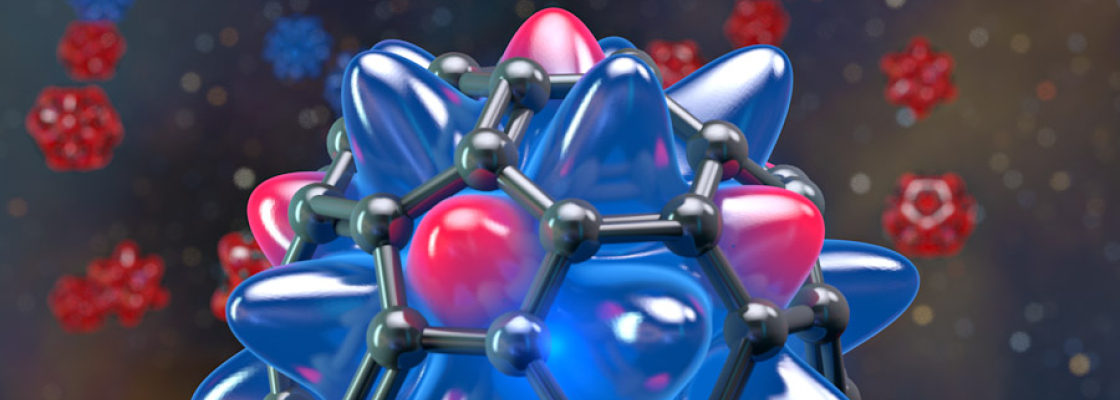
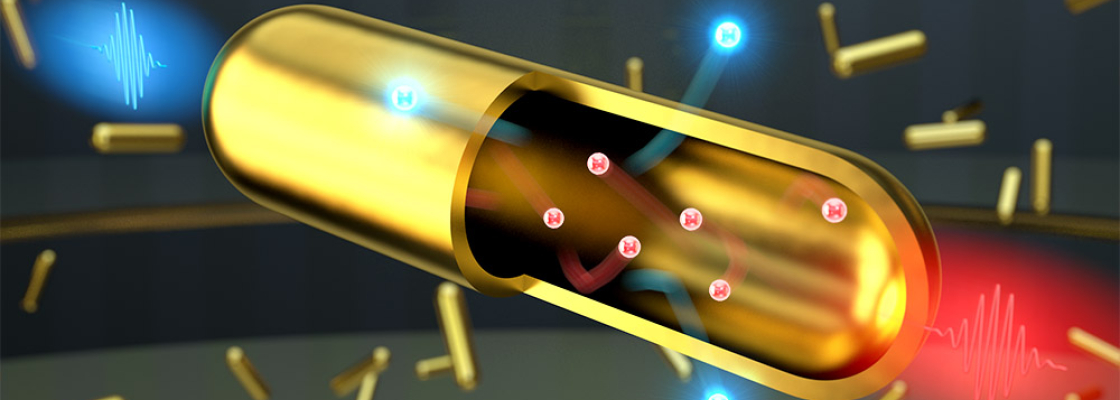
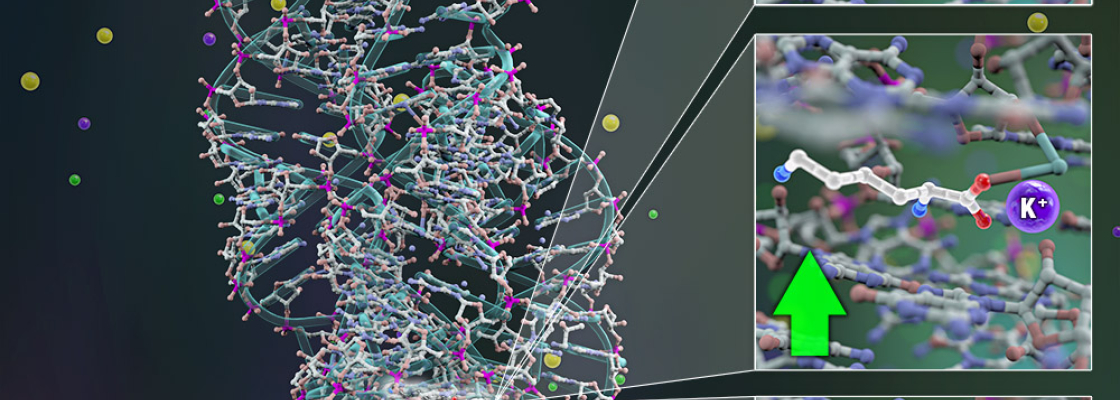
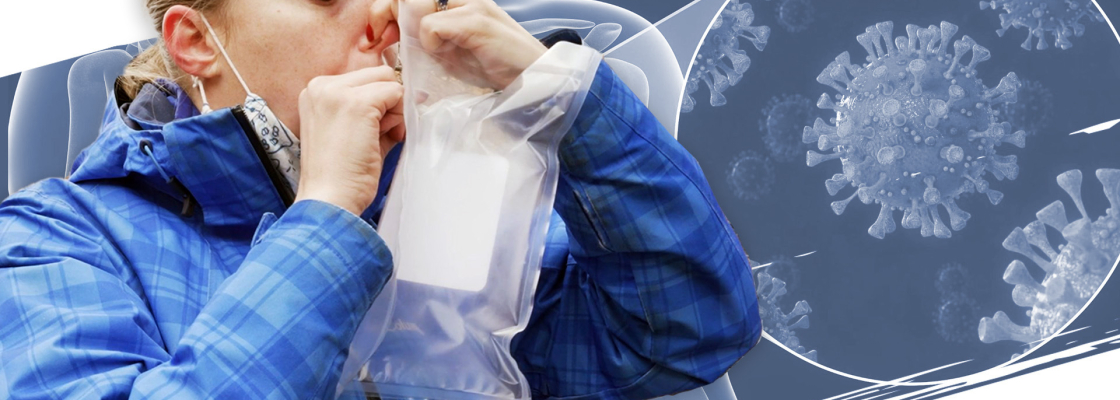
The Nesbitt Laboratory pursues research in four main areas:
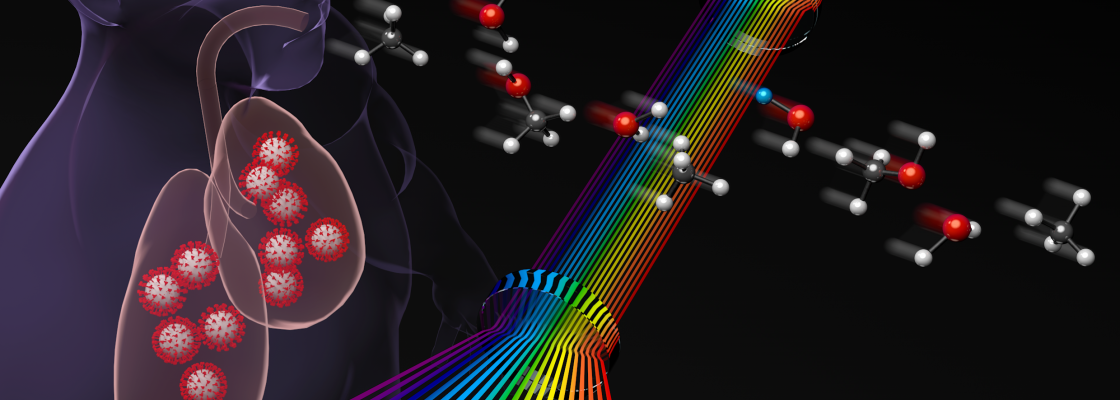
- High resolution laser spectroscopy of radicals, ions and molecular ion clusters
- Chemical Reaction Dynamics: Gas-Liquid
- Quantum nanostructures and photonic nanomaterials
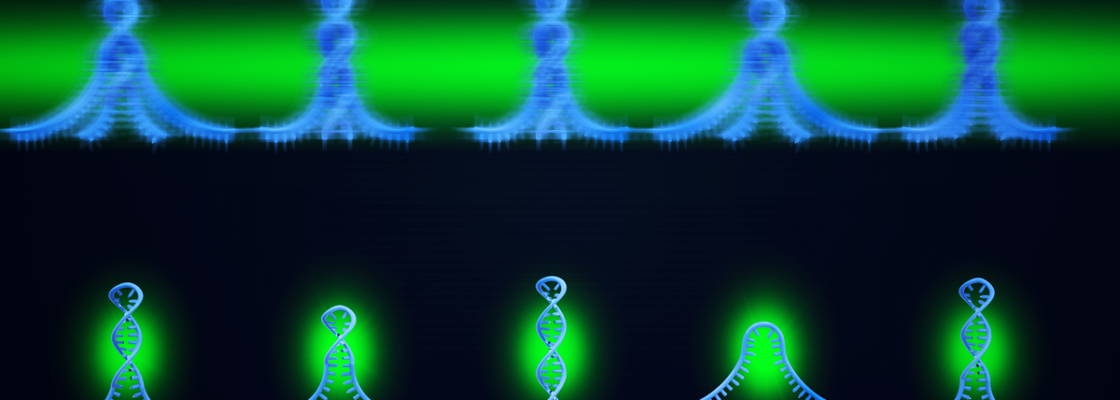
- Single Molecule Biophysics: Microscopy, Kinetics and Thermodynamics
The group's work involves extensive use of state-of-the art cw and ultrafast pulsed laser technology, nonlinear generation of tunable mid and near-infrared laser light, fast analog electronics, scan probe methods, confocal microscopy, servo-loop control, shaped supersonic expansions, plasma discharges, kinetic analysis and quantum theoretical calculations. A central unifying goal of the research program is the elucidation of fundamental kinetics and dynamics of elementary chemical/biophysical processes from both experimental and theoretical perspectives.
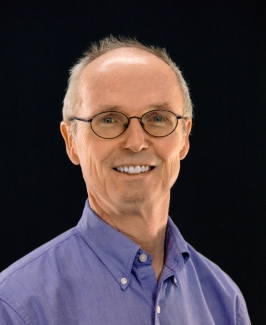
Professor Nesbitt is a Fellow of JILA; a Physicist at the National Institute of Standards and Technology (NIST); a Full Professor in both the Department of Chemistry and Biochemistry and in the Department of Physics.
In the Spotlight
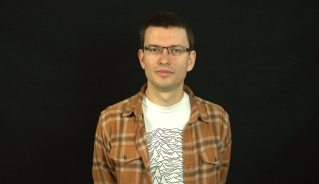
: JILA Postdoctoral Researcher Vít Svoboda is Awarded a 2023 JUNIOR STAR project by the Czech Science Foundation
Read More
Every year, the Czech Science Foundation (GCAR) funds several JUNIOR STAR projects focused on new research areas and building powerful collaborative teams. These projects are awarded to early-career scientists coming to the Czech Republic from other countries or with significant international experience. Each project is awarded CZK 25 million over the following five years.
This year, JILA postdoctoral researcher Vít Svoboda is one of the 17 awardees in the 2023 JUNIOR STAR cohort.
Read More
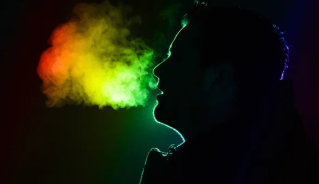
: JILA Breathalyzer Research Highlighted in Scientific American
Read More
JILA and NIST Fellows David Nesbitt's and Jun Ye's recent results in their breathalyzer study have been highlighted in a new article in Scientific American. Using frequency combs, a particular type of laser array, scientists could detect specific molecules in the breath, including diseases like COVID-19. This research suggests huge implications for the future of disease diagnosis and prevention.
Read More
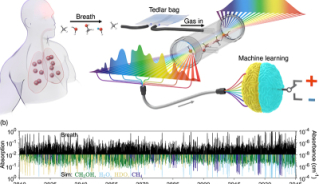
: JILA and NIST Fellows Jun Ye's and David Nesbitt's Frequency Comb Breathalyzer Apparatus Highlighted in SPIE Photonics West Show Daily
Read More
JILA and NIST Fellows Jun Ye and David Nesbitt, along with their respective teams, have recently been highlighted in the latest issue of the SPIE Photonics West Show Daily, a publication from SPIE. This highlight focuses on the recent advancements in the frequency comb breathalyzer apparatus that the researchers have built and tested, which looks at diagnosing COVID-19 and other diseases.
Read More
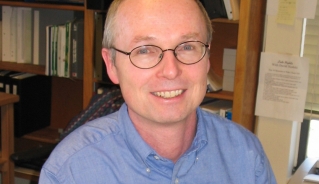
: David Nesbitt Receives E. Bright Wilson Award in Spectroscopy
Read More
The American Chemical Society (ACS) has awarded David Nesbitt the 2017 E. Bright Wilson Award in Spectroscopy. The award, sponsored by the ACS Division of Physical Chemistry, recognizes outstanding accomplishments in fundamental or applied spectroscopy in chemistry. It consists of $5,000 and a certificate.
Read More
JILA Address
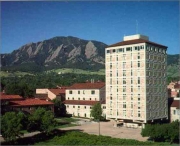 We are located at JILA: A joint institute of NIST and the University of Colorado Boulder.
Map | JILA Phone: 303-492-7789 | Address: 440 UCB, Boulder, CO 80309